.png?width=12000&height=2033&name=WeberKnappLogo_white%20(1).png "WeberKnappLogo_white (1)")
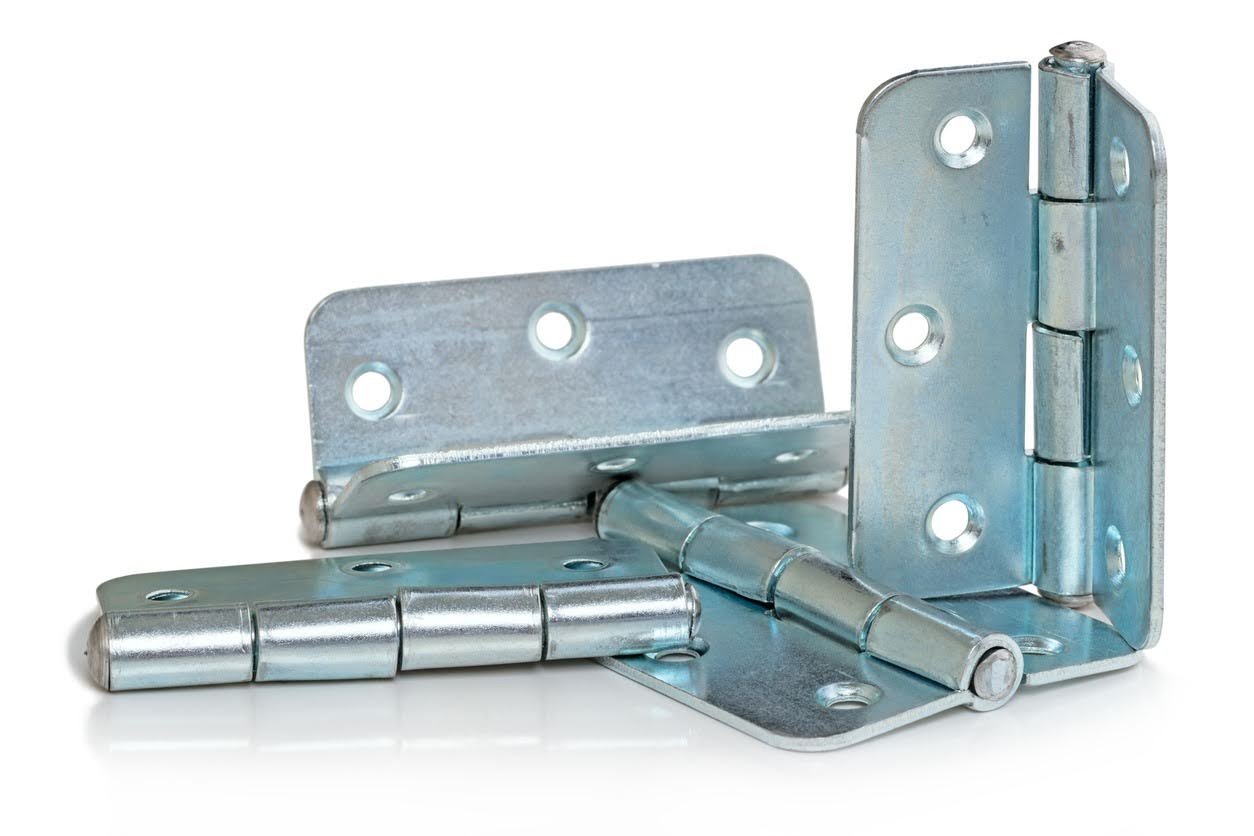
Low-carbon steel is affordable and versatile. Rust, unfortunately, doesn’t care.
A finish can give that steel the protection its application demands. But the level of protection varies considerably depending on the finishing process and where the finished part will be used.
When comparing zinc plating vs. black oxide, corrosion resistance is one of the biggest differences. Zinc plating provides sacrificial protection, while black oxide relies on a protective sealer. Surface wear can widen that gap even further.
The right choice starts with what the part will face once it’s put to work.
What’s the Difference Between Zinc Plating and Black Oxide?
The biggest difference between zinc plating and black oxide comes down to how the steel gets its corrosion protection. That distinction matters once moisture and wear enter the picture.
Zinc Plating
Zinc plating deposits a thin layer of zinc over the steel. The zinc acts as a sacrificial coating, meaning it corrodes before the steel underneath it does. Basically, the zinc volunteers as tribute.
A chromate conversion coating can be applied after plating for further corrosion protection. Clear chromate adds this protection while maintaining the bright appearance of the zinc finish.
That sacrificial behavior becomes particularly useful when corrosion is a concern. If wear breaks through the coating in one area, zinc remaining nearby can continue protecting the exposed steel.
Black Oxide
Black oxide is created through a chemical process that converts the surface of the steel. A sealer provides the corrosion protection after that treatment.
The sealer can be selected based on the application:
- Wax: Provides greater lubricity for parts with sliding or rotating contact.
- Lacquer: Provides slightly higher corrosion resistance and works well for decorative applications.
Black oxide generally costs less than zinc plating. However, once wear breaks through the protective sealer, the exposed area loses that protection.
How Much Corrosion Protection Does Each Finish Provide?
Corrosion resistance can narrow the choice pretty quickly. Once moisture or salt enters the operating environment, black oxide has much less room to work.
|
Application Condition |
Zinc Plating |
Black Oxide |
|
Indoor use |
Good option when added corrosion protection is needed |
Well suited for dry indoor environments |
|
Mild outdoor exposure |
Can provide suitable corrosion protection |
Not recommended |
|
Moist environments |
Better suited for regular moisture exposure |
Limited by the protection of the sealer |
|
Salt exposure |
Requires careful consideration depending on severity |
Not recommended |
|
Surface wear |
Remaining zinc can continue providing sacrificial protection |
Protection is lost where the sealer is worn through |
Neither finish gets a free pass in every environment. Zinc plating has a wider range of applications, but severe salt exposure can still call for a different approach.
For black oxide, the boundary is clearer. Indoor applications with limited moisture exposure are its sweet spot.
How Does Part Movement Affect the Finish?
Movement puts repeated wear on the same areas of a component. That can change how long the finish continues protecting the steel.
Black Oxide Under Repeated Movement
With black oxide, repeated contact can eventually wear through the protective sealer. Once that barrier is broken, the exposed area becomes vulnerable to corrosion.
This is where the sealer choice we discussed earlier matters. Parts with sliding or rotating contact may benefit from the added lubricity of wax.
Zinc Plating Under Repeated Movement
Wear can break through zinc plating too, but a small exposed area doesn’t necessarily lose all corrosion protection. Zinc remaining around that area can continue acting sacrificially to protect the steel.
That gives zinc plating an advantage when surface wear is expected during the life of the component.
What Should You Know Before Specifying a Finish?
The specs on paper only tell you so much. The finish still has to survive whatever the real world decides to throw at the part. These questions can help narrow down what level of protection makes sense.
How Much Corrosion Resistance Does My Part Need?
Start with where the part will spend its working life. Material and finish selection should account for that environment. A dry indoor environment is fairly forgiving. Regular moisture raises the stakes.
The goal is to specify enough protection for the conditions the part will face without paying for protection it will never need.
Does Part Life Affect the Choice of Finish?
It can. Give repeated movement enough time, and wear will eventually have something to say about your finish choice.
Before settling on a finish, think about:
- Where will repeated contact occur?
- How often will the component move?
- What happens to corrosion protection if that surface wears?
Those answers can help determine how much weight surface wear should carry in the finish specification.
When Should I Consider a Different Finish?
Sometimes the answer is neither. Heavy salt exposure is a good reason to look beyond zinc plating and black oxide rather than crown zinc the winner by default.
Making the Zinc Plating vs. Black Oxide Decision
Choosing between zinc plating vs. black oxide comes down to what the finished part will face in service. Black oxide can be a practical, lower-cost choice for indoor applications, while zinc plating provides greater corrosion protection when moisture becomes part of the equation.
The finish should fit the part instead of being treated as an afterthought. Consider the environment and how the surface will wear over time. A little attention to the specification now can save you from finding out the hard way that rust had other plans.
Not Sure Which Finish Fits Your Application?
Corrosion resistance depends on what your part will face in service. Talk through your application with an engineer before locking in the finish specification.